
Introduction
Sales is the function with the highest leverage on AI in 2026, and also the function where most automation efforts quietly fail. The market is full of point tools that promise to "10x your pipeline," and full of teams that bought five of them and saw nothing change.
The difference between sales automation that works and sales automation that does not is rarely the tools. It is the playbook: the operating system that connects lead generation, qualification, outreach, conversation, and forecasting into one continuous flow rather than five disconnected experiments.
This guide is that playbook. It covers the five stages of a modern sales automation stack, the tools that hold up under real-world load, the metrics that actually matter, the mistakes that kill results, and a 90-day implementation roadmap you can run today.
Why Sales Automation Matters More in 2026
Three forces have converged to make sales automation a non-optional capability:
- Buyers expect speed. Response time within 5 minutes of an inbound lead correlates with a 4-10x increase in conversion vs. a 1-hour response. Manual follow-up cannot win this race anymore.
- AI personalization at scale is now real. Modern AI agents draft genuinely contextual outreach using a prospect's role, recent content, company news, and tech stack, at the speed and cost of a generic template.
- Pipeline visibility has become a competitive advantage. Teams that can see where every deal stands, in real time, with risk signals attached, close more business than teams operating on gut feel and Friday updates.
The teams that build a real sales automation stack in 2026 are pulling ahead of the teams that do not, and the gap is widening every quarter.
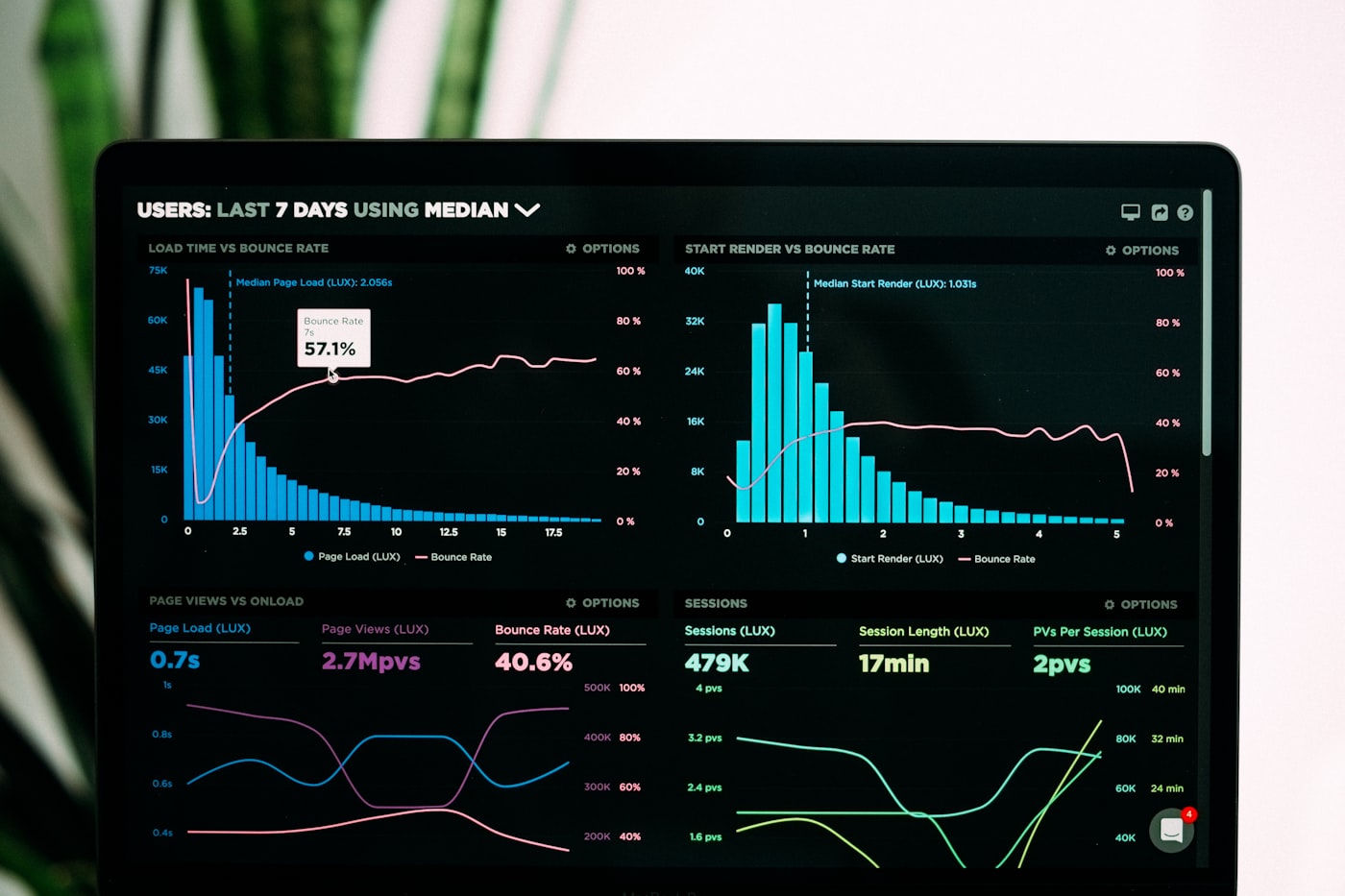
The 5 Stages of a Modern Sales Automation Stack
Every effective sales automation system has five stages, in order. Skipping or under-investing in any one breaks the rest.
Stage 1: Intelligent Lead Generation
The foundation is a continuous flow of qualified leads that match your ideal customer profile (ICP). Modern lead engines combine multiple data sources (Apollo, Clay, LinkedIn Sales Navigator, intent signals, web scrapers) into a single enrichment pipeline that produces a daily list of pre-qualified accounts.
The right output of this stage is not "more leads." It is more of the right leads: accounts that look like your best customers, with the right buying triggers, surfaced fast enough to act on.
Stage 2: Enrichment and Scoring
Raw leads are not useful. Enriched, scored leads are. The second stage layers in firmographic data (size, industry, geography), technographic data (tech stack, tools they use), and behavioral signals (hiring intent, funding events, content engagement), and runs them through a scoring model that ranks each lead by likely conversion probability.
The scoring model does not need to be sophisticated to start. A weighted point system based on 5-8 attributes usually beats a complex ML model in the first 12 months and gives you something you can explain and tune.
Stage 3: Personalized Multi-Channel Outreach
Generic outreach is dead. The third stage uses AI agents to draft personalized first-touch messages that reference real context about the prospect (their role, their company's recent news, a piece of their content, a relevant trigger event) and sequences them across email and LinkedIn over a multi-week cadence.
The hard problem is not generating personalized messages. Modern LLMs do that easily. The hard problem is doing it in a way that does not feel mass-produced, while still operating at the scale of hundreds or thousands of prospects per month. That requires careful prompt engineering, real prospect data, and a feedback loop that learns from replies.
Stage 4: Conversation Intelligence and Reply Handling
When a prospect replies, the system needs to know what to do. Reply classification (interested, not interested, more info needed, wrong person) routes the conversation to the right next action: handoff to a human rep, schedule a meeting, send a deeper resource, mark as nurture.
The teams that do this well treat the reply layer as the most important stage, because it is the moment a stranger becomes a real conversation. A 2-second delay or a wrong response here costs you the deal.
Stage 5: Pipeline Visibility and Forecasting
The fifth stage is what gives leadership confidence. A real-time pipeline dashboard pulls deal data from your CRM, applies stage-based win-rate models, surfaces at-risk deals using AI-driven signals (deals gone quiet, key contacts unresponsive, competitive risks emerging), and produces a weekly forecast leadership can trust.
This is the stage where most sales teams operate on Excel and intuition. Automating it improves forecast accuracy by 25-40% and dramatically shortens the time leadership spends in pipeline review meetings.
The Tools Behind a Modern Sales Stack
The tools landscape changes every quarter, but the stable categories are:
- Data and enrichment: Apollo, Clay, ZoomInfo, LinkedIn Sales Navigator
- Workflow and automation: Make, Zapier, n8n, Bardeen
- AI personalization and drafting: Claude, GPT, Relevance AI, Lemlist
- CRM: HubSpot, Salesforce, Attio (for modern teams), Pipedrive
- Conversation intelligence: Gong, Chorus, Avoma
- Dashboards and BI: Metabase, Mixpanel, PostHog, Looker
The choice of tools matters less than how well they are integrated into a single workflow. A well-integrated stack on cheaper tools beats a best-of-breed stack that does not talk to itself.

ROI Metrics That Actually Matter
Vanity metrics will tell you sales automation is working when it is not. Focus on these:
- Speed-to-lead: Time from inbound lead created to first qualified outreach. Target: under 5 minutes.
- Reply rate by sequence: Percentage of prospects who reply to a sequence. Strong performance: 8-15%.
- Meeting-booked rate: Percentage of replies that convert to a real meeting. Strong performance: 30-50%.
- Pipeline-to-quota ratio: Total qualified pipeline divided by quota. Healthy: 3-4x.
- Forecast accuracy: How close end-of-quarter result lands to the start-of-quarter forecast. Target: within 5%.
If these numbers are improving quarter over quarter, your automation stack is working. If they are flat or down, something is broken, usually in the human-handoff layer, not the AI layer.
5 Mistakes That Kill Sales Automation Results
- Automating before you have product-market fit. If you do not yet know who buys, why, and when, automating outreach just multiplies confusion. Get the manual process working first.
- Treating AI personalization as a magic trick. The output is only as good as the input data and prompt design. Cheap personalization sounds cheap.
- Skipping the reply layer. Most teams over-invest in outreach and under-invest in what happens after the prospect replies. That is where deals are made or lost.
- No feedback loop. Sales automation that does not learn from outcomes (what messages get replies, which leads close, which sequences fail) will plateau within 6 months.
- Over-tooling. Five integrated tools beat ten disconnected ones. Every additional tool adds maintenance burden and breakage risk.
Your First 90 Days Roadmap
A realistic 90-day rollout for a small or mid-sized team:
Days 1-30: Foundation
- Define ICP and buying triggers
- Set up enrichment pipeline (Apollo + Clay or similar)
- Build initial scoring model (5-8 weighted attributes)
- Connect CRM cleanly
Days 31-60: Outreach
- Build first sequence with AI-personalized first touches
- Set up reply classification and routing
- Train the team on the new handoff process
- Measure baseline metrics
Days 61-90: Intelligence
- Build pipeline dashboard with stage-based forecasting
- Add deal-risk signals and weekly executive report
- Run first feedback-loop review and tune the system
After 90 days you have a real sales operating system. From there it is iteration.
Conclusion
Sales automation in 2026 is not about replacing salespeople. It is about giving them a system that handles the predictable volume work (sourcing, enrichment, scoring, first-touch personalization, reply triage, pipeline tracking) so they can spend their time on the conversations that close deals.
The teams that build this system win. The teams that buy five disconnected tools and hope for the best do not.
Building or rebuilding your sales automation stack? Talk to ATF World. Our team designs and deploys end-to-end sales systems combining AI integration with proven outreach playbooks.
Enjoyed this article?
Get the latest insights on AI and construction technology delivered straight to your inbox.